Markets Matter: FLA Participates in Sustainable Biomass Program’s Meeting to Finalize Sustainability Standards for Biomass
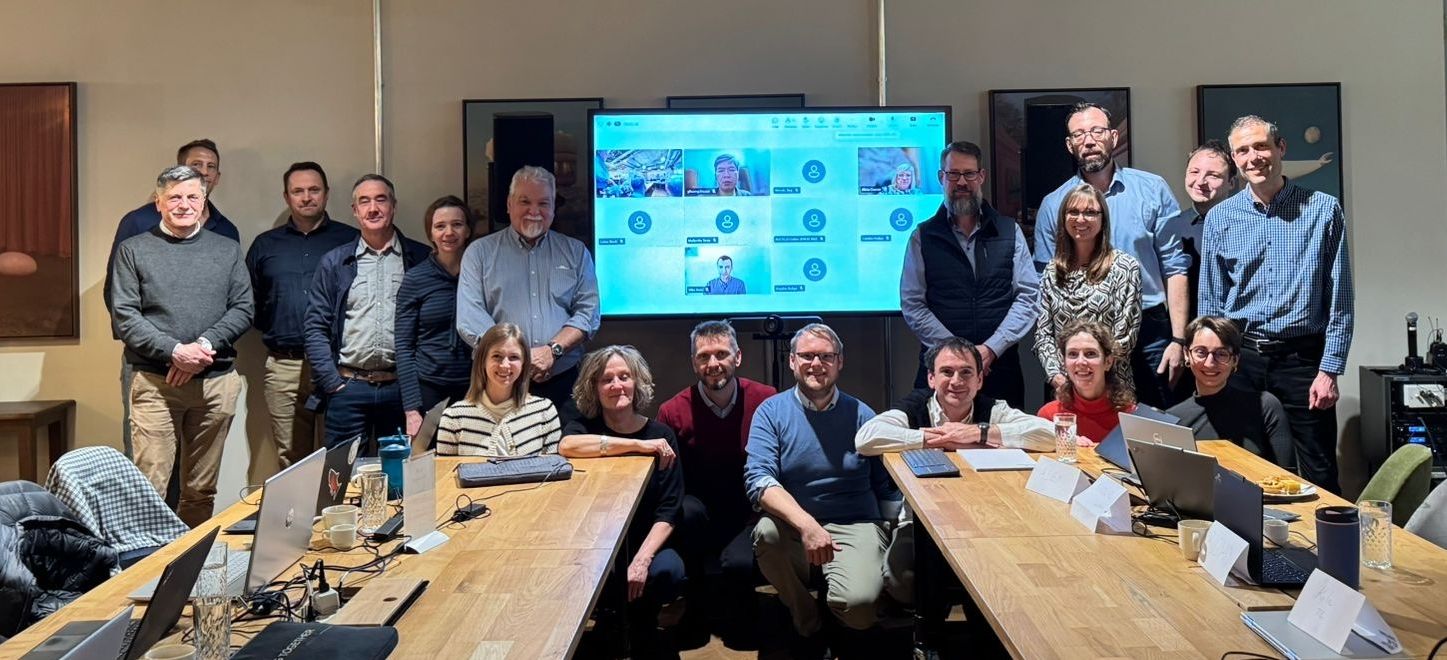
Late last month, FLA/FLF Director of Grants & Program Development, Katie Moss, traveled to Munich, Germany, for a joint meeting of the Sustainable Biomass Program (SBP) Standards and Technical Committee, where the group worked to finalize Version 2.1 of the organization’s sustainability standards for responsibly sourced biomass.
The SBP is an international organization that sets rules for how wood-based energy products — like the wood pellets and wood chips burned to generate electricity — must be sourced and verified before they can be sold in global energy markets. Think of it as a certification system: energy companies and wood suppliers must demonstrate that the biomass they use comes from forests that are managed responsibly and legally. Founded in 2013 by major European energy producers, SBP operates across international markets, and its standards are recognized by the European Union as part of its broader clean energy regulations. Because so much of the world’s wood supply comes from the United States, the standards SBP sets can directly affect America’s family forestry businesses and timber producers and the markets available to them.
Moss’s role on the Standards Committee is as an observer, a position that allows her to actively participate in discussions and contribute to shaping the standards that influence how biomass is sourced and verified across international markets. These standards are used by energy producers and biomass suppliers around the world, meaning the decisions made in these conversations can have far-reaching implications for family forestry businesses and timber producers in the United States. For this reason, the perspectives of America’s forest-based businesses must be part of the dialogue. Private forest landowners manage the majority of forestland in the United States and play a critical role in maintaining healthy, productive forests while supplying renewable forest products.
These families and forest businesses have a long tradition of responsible forest management that balances economic opportunity with environmental and ecological stewardship. By participating in the SBP standards process, Moss brings the experiences and perspectives of American timber growers into discussions about how sustainability is defined and measured on a global scale.
As demand for biomass grows in international energy markets, global sustainability frameworks increasingly influence market access. Bringing the timber grower’s perspective into international discussions helps promote standards that are both environmentally credible and practical for those who actively steward their forests and ensures continued opportunities for U.S. landowners to participate in global forest product markets.